

All sectors / Sustainable products / Erathna Rainforest Vanilla

Sri Lanka
Add a review
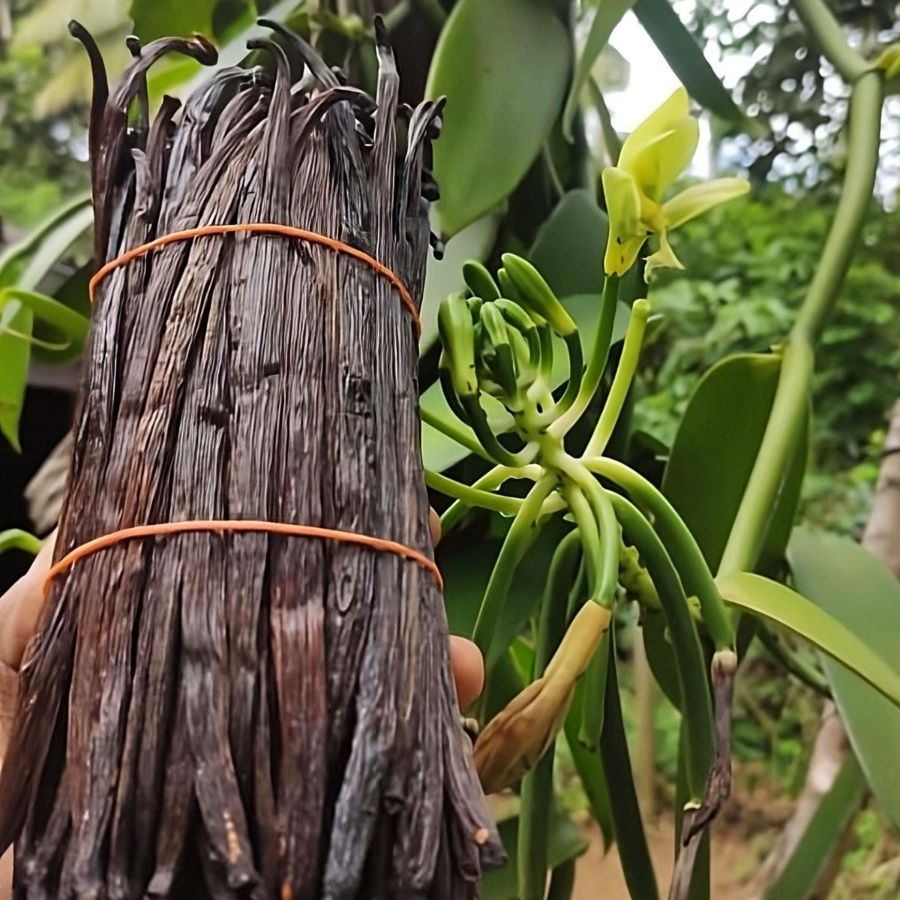
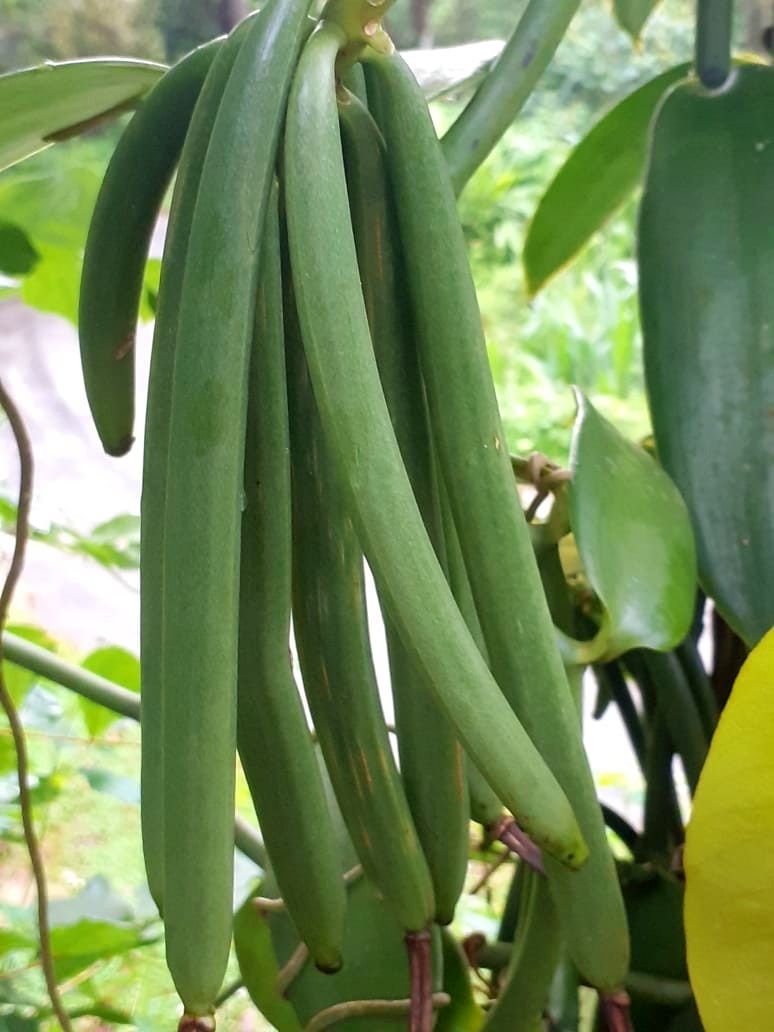
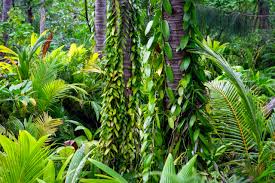
Erathna Rainforest Vanilla is committed to supporting Sri Lankan vanilla farmers by providing high-quality, naturally grown vanilla products, including whole vanilla beans, pure vanilla paste, and extract. They collaborate with small-scale producers from regions like Erathna, Maliboda, Deraniyagala, Nawalapitiya, and Gampola. The company is part of Sri Lanka’s largest vanilla farmers' association, ensuring that local farmers are supported through education, training, and capacity-building efforts. Erathna Rainforest Vanilla invests 10 percent of its sales in empowering farmers, focusing on sustainable agricultural practices that benefit both the environment and the local economy. In addition to promoting natural vanilla, the company is committed to reducing plastic waste by taking back packaging for recycling. With a strong focus on sustainability, they offer a high-quality, eco-friendly alternative to imported synthetic vanilla flavoring while empowering local communities.
Operating since
2-10 Members

Support concious people make more insightful choices

Found any error in information about this organisation?
Are you owner of Erathna Rainforest Vanilla ?
Similar companies

Javara Indigenous Indonesia
Jakarta, Indonesia
Javara Indonesia offers a range of natural, organic, and artisanal food products, preserving Indonesia's food biodiversity and supporting local farmers and artisans.

Beadworx
Beadworx designs whimsical art by weaving glass beads onto metal frames, supporting Haitian artisans through fair trade practices. Their creations, from garden decor to lamps, inspire homes and hearts worldwide.

Construct The Present
Construct the Present curates gift boxes filled with eco-friendly and ethically sourced goods, empowering social enterprises and promoting conscious gifting.
Himalayan Hemp
Himalayan Hemp provides eco-friendly, sustainable hemp-based products that support environmental conservation and promote healthy living. Their ethically sourced materials contribute to reducing the carbon footprint and fostering sustainable practices in agriculture.